Blog
Browse our blogs for ideas and inspiration!

Five Step Remodeling Process | Predictable, Fixed Pricing
See how our five-step remodeling process creates a predictable, stress-free renovation with clear pricing from day one
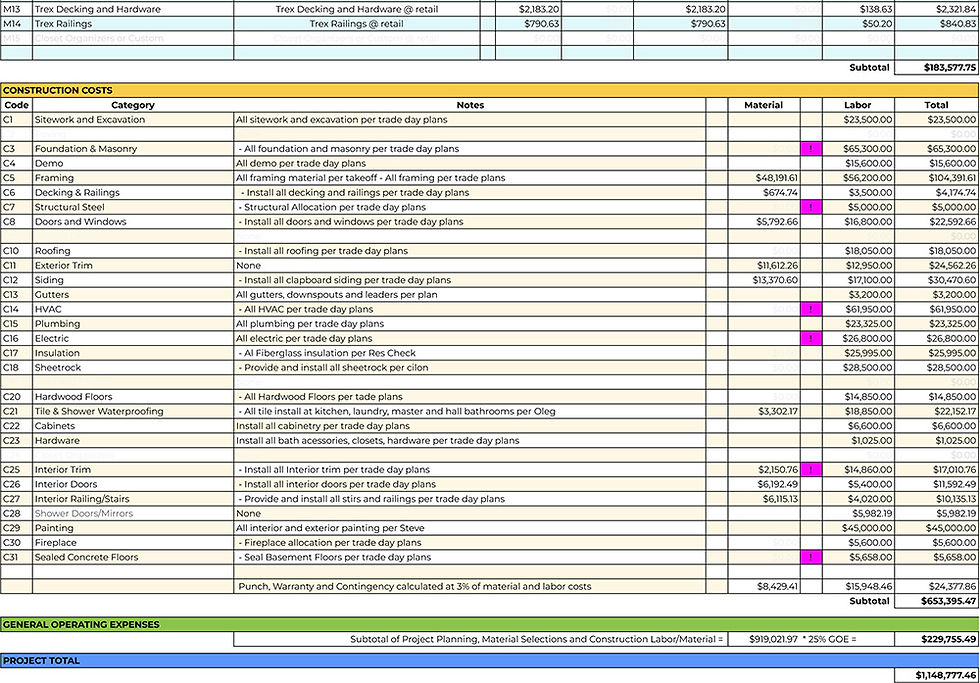
Transparent Construction Pricing: A Better Way to Remodel
Transparent construction pricing gives you clarity, control, and confidence throughout your remodeling journey.

The 3 Bid Myth
Hiring the right remodeling company is one of the most important decisions you’ll make during the entire renovation process for your home.

Top Six Reasons to Add On to Your Home (Rather than Move)
No matter how much you love your home, there are likely ways to improve your space by adding onto your house. An expanding family,...

Is The Time Right To Add That Master Bath Suite?
Dreaming of a new master suite? From oversized showers with rain heads and grand walk-in closets to sitting areas with cozy gas fireplaces, they are a great enhancements to any home.

Modern Master Bath wins HOBI Award "Best Bath Under $100K"
Check out this HOBI Award Winner- "Best Bath under $100K". It's awesome.

The 5 Top Home Remodeling Projects That Add Value, Comfort, and Lasting Appeal
Discover the top five remodeling projects that boost home value, improve daily living, and deliver long-term return on investment.

3D Visualizations are a Game Changer
What could be cooler than seeing your finished dream come to life long before we start building with a 3D rendering of the space? Pictures are truly worth 1000 words!
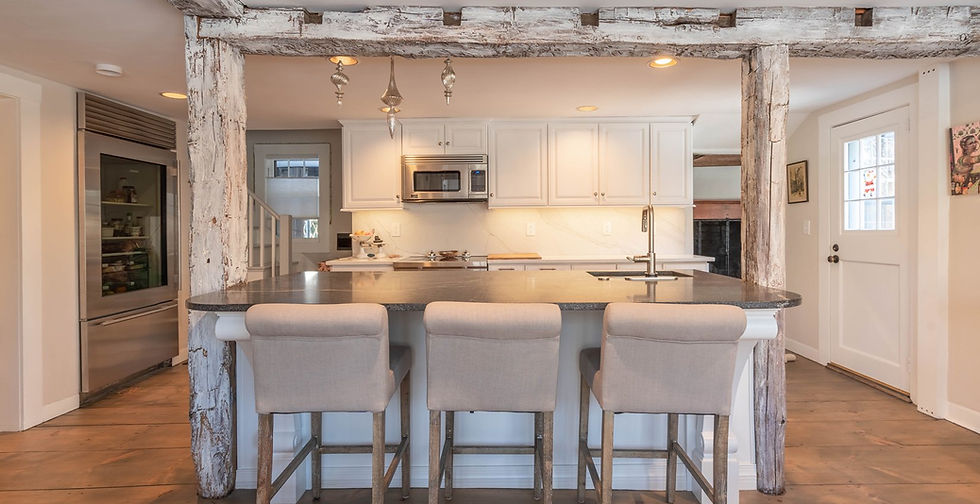
5 Benefits of Having a Great Kitchen Island
Learn why a kitchen island is an essential component in kitchen design these days.

5 Reasons to Go Composite
Reap the benefits of a lower maintenance, eco-friendly solution that will continue to satisfy you as years go by. The latest generation of products have enhanced performance and richer, long-lasting colors with realistic wood grain textures and patterns.

6 Tips for Setting Up Spaces to Work from Home
Working from home in our pajamas with a cup of joe in hand is something many of us have always dreamt of. COVID19 has changed how and where we work! Here are some tips to keep your sanity and live the dream.

7 Reasons to Remodel Your Kitchen
A new kitchen can effortlessly weave together beauty, comfort and convenience creating a real sanctuary as the heart of your home. Check out the top reasons our clients redo their kitchens.

A Room for All Seasons
Extend your outdoor season by a couple of months on either side of summer, or go all the way with a sun room addition that you can use year round.

A Screened Porch: the Best of Both Worlds
A screened porch is ideal when you want shelter and sunlight, to watch the world go by without being in the wind, and to watch nature without being eaten alive by it.

Appliance Trends
From ovens to refrigerators, kitchen appliances are now smart, connected devices that generally make life easier. Check out what's new and exciting.


Where to Start with Remodeling
It's easier than you think. The key is to find "your person", who will serve as your guide through the process. They'll worry both the big picture and the details.

Should We Remodel or Move?
Should you stay and take on some projects, or scout out a different house? The decision is not as clear-cut as it used to be.

Who is the Best Remodeling Contractor for You?
What are the characteristics that matter when selecting the team for designing and building your addition or remodeling project?
